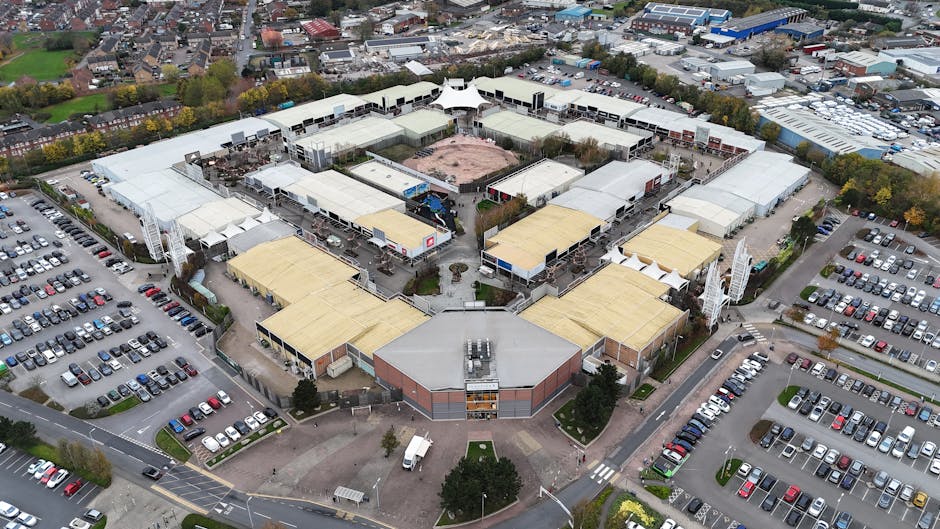
Brent Park retail park commercial gardeners for shops: a practical guide for shopfronts that need to look sharp
If you manage a unit, run a storefront, or look after shared external space at a retail park, you already know the odd truth of it: the garden and hard landscaping outside a shop can either quietly support sales or drag the whole place down a notch. That is why Brent Park retail park commercial gardeners for shops matter so much. A clean entrance, tidy planters, weed-free paving, and healthy planting are not just "nice to have" details. They shape first impressions, customer comfort, and even how safe and welcoming the site feels on a wet Tuesday morning.
In this guide, we'll break down what commercial gardening for retail park shops actually involves, how it works in practice, the benefits you can expect, and the mistakes that tend to cause avoidable headaches. We'll also look at day-to-day maintenance, seasonal planning, compliance, and how to judge whether a service is genuinely set up for retail environments rather than just domestic gardens. Let's face it, a shopfront has to work harder than a back garden.
For a broader overview of the work that sits behind this kind of upkeep, you may also find the site's garden maintenance and gardening services pages useful when planning a service schedule.
Why Brent Park retail park commercial gardeners for shops Matters
A retail park is a high-traffic environment. People arrive by car, walk past multiple units, scan signs quickly, and decide in seconds whether a place feels cared for. The planting beds, edging, entrance pots, hedges, and surrounding hard surfaces all contribute to that judgement. If weeds are pushing through paving or shrubbery is overgrown, the message is not subtle.
Commercial gardeners who understand shops and retail parks are not just mowing grass or trimming the odd hedge. They are helping protect the presentation of the entire site. That can affect:
- customer confidence and dwell time
- tenant satisfaction and leasing appeal
- the impression of cleanliness around entrances
- accessibility for visitors, wheelchairs, pushchairs, and delivery routes
- seasonal safety, especially after leaf fall, frost, or storms
Retail park landscaping also has to hold up under pressure. Think tyre splash from car parks, compacted soil, patchy shade from buildings, and constant foot traffic. A domestic gardener can do lovely work in a private garden; a commercial gardener for shops has to plan for resilience, repetition, and consistency. That is the real difference.
If your site includes hedge lines, boundary planting, or screening that is getting a bit unruly, the specialist approach described on hedge trimming in Brent Park is a good example of how structured upkeep keeps commercial frontage looking intentional rather than neglected.
How Brent Park retail park commercial gardeners for shops Works
In practice, commercial garden care for retail shops tends to start with an inspection. A proper walk-round identifies what needs immediate attention, what can wait, and what should be scheduled seasonally. The best providers look at the whole picture, not just the obvious bits.
A typical process may include:
- Site review - checking entrances, borders, planters, hedges, turf, patio areas, access routes, drainage, and sightlines.
- Priority setting - identifying safety issues, presentation issues, and longer-term maintenance needs.
- Maintenance plan - deciding what happens weekly, fortnightly, monthly, or seasonally.
- Execution - pruning, mowing, weeding, cleaning, mulching, edging, hedge shaping, and plant care.
- Quality check - making sure the site is tidy, safe, and consistent after each visit.
For retail units, timing matters. A team might work early before opening hours, later after closing, or in low-footfall windows so customers are not dodging hoses, tools, or fresh clippings. A decent provider will also understand that some areas need a lighter touch while others need firm routine intervention. It is rarely a one-size-fits-all setup.
Seasonal changes are a big part of the work too. Spring growth, summer watering demands, autumn leaf clearance, and winter weather protection all change the job. If you've ever watched a tidy frontage turn scruffy in two weeks after a windy spell, you'll know exactly why. That is why advice from pages like preparations to shield your garden from weather extremes can translate well to retail landscapes, even though the setting is commercial.
Key Benefits and Practical Advantages
The best commercial garden maintenance does more than keep things pretty. It supports the business in practical, measurable ways, even if some of those benefits are a bit hard to pin down with a spreadsheet. Still, they are real.
1. A stronger first impression
Customers notice tidy edges, healthy planting, and clean paths. They also notice when weeds are taking over. A polished exterior suggests attention to detail inside the shop as well. That psychological link is surprisingly powerful.
2. Safer access around the site
Loose debris, slippery moss, overgrown shrubs, and poor visibility around entrance areas can become hazards. Good commercial gardeners reduce those risks by keeping routes clear and surfaces monitored. For a retail park, that is not minor. It is basic good practice.
3. Better plant health over time
Retail planting often gets stressed by exposure, salt, compacted soil, and inconsistent watering. Commercial gardeners choose maintenance methods that help plants survive those conditions rather than simply look presentable for one week.
4. Less reactive firefighting
When maintenance is planned, there are fewer surprises. You are not suddenly paying for emergency hedge cuts or trying to disguise a border that has gone wild before a promotional weekend. A steady schedule is calmer. Less drama. Everybody likes that.
5. Stronger tenant and customer experience
If your shopfront sits within a larger retail park, you are also contributing to the overall atmosphere of the place. A clean exterior makes the whole site feel looked after, and that can help everyone nearby.
For sites that want extra visual structure, planting combinations can also help define entrances and soften built surfaces. The article on vibrant ground covers is a useful reminder that robust planting can still be colourful, even in a demanding setting.
Who This Is For and When It Makes Sense
Commercial gardeners for retail park shops are a fit for any business or managing agent responsible for exterior presentation. That includes single-unit retailers, larger chains, franchised sites, and landlord-managed retail park common areas.
This service makes sense if you recognise any of these situations:
- the frontage looks neat after maintenance, then declines quickly
- weeds, moss, or leaf litter keep returning
- the entrance pots or beds are looking tired and inconsistent
- staff are spending too much time on outdoor tidying instead of core work
- you need regular upkeep without the hassle of managing it internally
- customer complaints are starting to mention the outside area
It is especially sensible for busy retail parks where footfall is steady and the exterior is visible from parking bays, main roads, or pedestrian routes. If the site includes planting beneath trees, around signage, or along long boundary lines, a regular professional approach becomes even more valuable.
Some businesses also only need support at certain times of year. For example, a spring refresh, summer planting, or autumn leaf-clearance programme can be enough if the site is otherwise stable. Others need year-round care. There is no shame in either model. What matters is matching the plan to the reality on site.
Step-by-Step Guidance
If you are organising commercial gardening for a retail park shop, the most sensible way to begin is to treat it like a small operational project. Not glamorous, perhaps, but effective.
- Walk the site with fresh eyes. Stand at the customer approach, not just the service entrance. What do people see first?
- List the high-impact areas. These usually include doorways, signage bases, car park edges, raised planters, path borders, and visibility splays.
- Separate urgent work from routine work. A safety issue needs fast attention. A planting refresh can go into the schedule.
- Decide the frequency. Weekly, fortnightly, monthly, or seasonal visits may all be used depending on the site.
- Choose practical planting, not just pretty planting. Retail settings need tough, tidy, repeatable choices.
- Set standards clearly. Agree expectations for weeds, edging, leaf clearance, hedge height, and waste removal.
- Plan for weather and growth surges. UK weather changes quickly. So does plant growth after rain.
- Review after the first few visits. If something is not working, adjust early.
One useful mindset is to think in terms of "display value" and "maintenance burden". A border may look lovely in May and then become a constant hassle by July. That does not mean it is a bad idea; it just means it needs the right maintenance level. In our experience, that distinction saves a lot of irritation later.
Expert Tips for Better Results
Here are the details that make a commercial gardener genuinely useful rather than merely present.
- Use simple, durable planting palettes. Retail sites often look better with fewer plant types repeated well.
- Prioritise edge definition. Crisp borders and clean lines make even modest planting feel intentional.
- Choose plants for tolerance, not fantasy. If the bed is hot, windy, shaded, or splash-prone, select accordingly.
- Don't let irrigation become an afterthought. Containers and entrance displays can fail fast in dry spells.
- Mulch with purpose. A good mulch helps suppress weeds and hold moisture, but it should be maintained rather than left to crust over.
- Schedule before the problem becomes visible. It is easier to stay ahead of growth than to correct it after the weekend rush.
A small but useful point: if your retail park has sheltered spots where ivy or climbers are beginning to spread, it is worth reading about permanent ivy control. In a commercial environment, that kind of growth can become a nuisance faster than people expect.
And yes, good gardening tools matter too. Not because shiny kit solves everything, but because the right tools make precision work cleaner and quicker. There is a straightforward overview in this guide to essential gardening tools, which is handy for anyone trying to understand what a proper maintenance visit involves.
Common Mistakes to Avoid
Commercial exterior maintenance often fails for boring reasons. That sounds harsh, but it is usually true.
- Waiting until the site looks bad. Reactive care is usually more expensive and less consistent.
- Choosing plants that are too delicate. Pretty is good. Fragile in a retail park? Not so much.
- Ignoring edges and corners. Weeds love the places people forget.
- Assuming one annual tidy-up is enough. For most retail sites, it isn't.
- Letting waste pile up. Green waste, leaves, and cuttings should be removed promptly.
- Failing to coordinate with store operations. No one wants customers stepping around a hedge cut during opening hours.
Another common issue is trying to make a commercial frontage do the job of a private garden. The two environments have different pressures. Retail park landscaping must cope with visibility, access, maintenance constraints, and public use. It is a working surface, not just a viewing space.
Tools, Resources and Recommendations
A commercial gardener working around shops will usually rely on a mix of pruning, cutting, clearing, edging, and surface-cleaning tools. The exact toolkit depends on the site, but the principle is always the same: clean work, controlled results, and minimal disruption.
Useful service areas to consider alongside gardening include:
- lawn mowing for green areas that need regular definition
- lawn care where turf needs feeding, repairing, or seasonal attention
- patio cleaning for hard surfaces that collect grime, algae, or leaf staining
- tree surgery where trees affect light, safety, or access
- fencing if boundaries or screening need repair or replacement
- landscaping for bigger redesigns or frontage improvements
These are not all needed for every site, of course. But if you are reviewing a retail park frontage holistically, it helps to think beyond plants alone. The hard landscaping around the planting can be just as important. A neat bed beside a mossy path still looks unfinished.
Law, Compliance, Standards, or Best Practice
Commercial gardening for shops should be delivered with proper attention to health and safety, access, and responsible work practices. Exact obligations vary by site and circumstance, so it is wise to treat compliance as something to check rather than assume. That is the sensible approach.
For retail settings, good practice usually includes:
- safe access and clear working zones
- careful tool handling and waste movement
- awareness of public footfall and vehicle movement
- appropriate use of chemicals, if any are used at all
- documented maintenance expectations for shared areas
- good communication around timing and disruption
If you manage the site, it is also sensible to review the provider's policies before work begins. Pages such as health and safety policy, insurance and safety, and terms and conditions can help set expectations clearly. If payment terms matter to your team, payment and security is worth a look too.
Accessibility is another practical consideration. Smooth approaches, clear routes, and well-maintained edges can support visitors far better than a site full of trip hazards or awkward obstructions. A retail park should feel open and easy to move through. That is the baseline, really.
Options, Methods, or Comparison Table
Different retail sites need different maintenance models. Here is a practical comparison of common approaches.
| Approach | Best for | Strengths | Limitations |
|---|---|---|---|
| Reactive tidy-up | Very low-use or interim situations | Quick short-term improvement | Problems return fast; can look inconsistent |
| Scheduled maintenance | Most retail park shops | Reliable presentation, better planning, fewer surprises | Needs regular budget and oversight |
| Seasonal refresh + light upkeep | Sites with stable planting and low wear | Flexible and cost-conscious | May be too light for high-footfall areas |
| Full-service grounds care | Large or busy retail parks | Comprehensive control across planting and hard surfaces | Higher commitment and coordination needed |
To be fair, most shopfronts do best with scheduled maintenance. It gives the most predictable result and keeps the outside space aligned with the standards people expect from a retail environment. A one-off tidy can help, but it rarely solves the underlying issue.
Case Study or Real-World Example
Imagine a small retail unit on a busy park with a narrow planted strip by the entrance, a couple of raised planters, and a hedge line along the rear boundary. In spring, it looks fine. By mid-summer, the planters are dry on top, weeds are edging through the gravel, and the hedge has started to soften the clean lines of the frontage. Customers are not complaining outright, but the shop looks a little tired.
A sensible commercial gardening plan might begin with a reset: remove weeds, cut back overgrowth, refresh the mulch, check plant health, and sharpen the edges. Then a lighter routine schedule follows, with brief visits to keep the whole area under control. A few practical changes may be introduced too, like swapping a needy plant for a tougher one, or using container planting for a brighter, more controlled display.
That is the thing about good retail garden care. It rarely needs drama. It needs rhythm. A steady hand, a clear brief, and the patience to keep small issues from growing into visible ones. You can almost hear the difference on site: less scrambling, less rustling dead foliage, fewer "we'll sort that next week" conversations.
For businesses looking to improve a tired exterior, the ideas in renew and refresh makeover steps for an old garden translate surprisingly well to commercial shopfront spaces.
Practical Checklist
Use this checklist when reviewing your retail park gardening setup:
- Does the entrance look tidy from a customer's first step onto the site?
- Are weeds controlled in borders, cracks, and edge lines?
- Are paths, patio areas, and thresholds free from slip risks?
- Are hedges and shrubs trimmed to keep sightlines open?
- Are planters healthy, watered, and visually consistent?
- Is waste removed after each visit?
- Are maintenance visits timed to avoid customer disruption?
- Do you know who is responsible for each external area?
- Are seasonal tasks scheduled in advance?
- Have insurance, safety, and working procedures been reviewed?
Expert summary: The best retail park gardening is not the most elaborate. It is the most dependable. Keep the frontage clean, the planting hardy, the timing discreet, and the standards consistent, and the whole site feels easier to trust.
Conclusion
Brent Park retail park commercial gardeners for shops play a far bigger role than many people realise. They help the outside of a business feel orderly, safe, and credible. They reduce the chaos that comes from fast growth, bad weather, and constant footfall. And they do it in a way that supports the daily rhythm of a working retail site.
If you are weighing up whether your shopfront needs occasional help or a proper maintenance schedule, the answer usually lies in the site itself. Look at how quickly the exterior changes after a tidy-up. Look at where customers walk, pause, and notice. Truth be told, those details tell you nearly everything.
Get a free quote today and see how much you can save.
For next steps, a conversation with a local team that understands commercial presentation, safety, and retail timing is usually the simplest way forward. A calm, well-kept frontage has a way of making the whole place feel more confident. And that matters.
Frequently Asked Questions
What do Brent Park retail park commercial gardeners for shops actually do?
They maintain the outdoor areas around retail units, including planting beds, hedges, paths, planters, lawns, and hard landscaping. The aim is to keep the site tidy, safe, and attractive for customers and tenants.
How often should a retail park shop have gardening maintenance?
That depends on the site, but many shops benefit from weekly or fortnightly visits during the growing season and adjusted schedules in winter. High-footfall areas usually need more frequent attention.
Is commercial gardening different from domestic gardening?
Yes. Commercial work has to account for public access, brand presentation, consistency, and operational timing. It is less about personal taste and more about durable, repeatable results.
Can commercial gardeners help with shopfront kerb appeal?
Absolutely. Tidy planting, fresh edging, clean surfaces, and well-maintained entrance areas all improve kerb appeal. In retail, that first impression can matter a great deal.
What if my site only needs a seasonal refresh?
That can work well for some locations. A seasonal reset combined with lighter upkeep is often enough for smaller or lower-pressure sites, especially if the planting is already stable.
Do I need both gardening and patio or surface cleaning?
Often, yes. Plants and hard surfaces age differently. Even if the greenery looks good, stained or slippery paving can make the whole frontage feel neglected.
How do I know if a commercial gardening plan is too light?
If weeds return quickly, hedges lose shape between visits, or the frontage looks tired before the next scheduled maintenance, the plan is probably too light for the site.
Can retail park gardeners work around store opening hours?
They usually can, and they should. Good commercial teams plan work to reduce disruption, which often means early mornings, off-peak visits, or carefully coordinated access.
What should I ask before hiring a gardener for shops?
Ask about insurance, health and safety, timing, waste removal, maintenance frequency, and how they handle seasonal changes. Those answers tell you a lot about whether they really understand commercial sites.
Are the same plants used for every retail park?
No, and they should not be. Plant choice depends on sun, shade, wind exposure, soil conditions, watering access, and how much wear the site gets. Toughness matters more than trendiness.
What happens if hedges or shrubs start blocking visibility?
That should be dealt with promptly. Overgrown planting can affect sightlines, make the site feel cramped, and in some cases create avoidable safety concerns. Regular trimming helps prevent that.
How do I get started if I'm not sure what the site needs?
Start with a site walk and note the areas customers see first, the problem spots, and any current hazards. From there, a tailored maintenance plan is usually the easiest and most sensible next step.