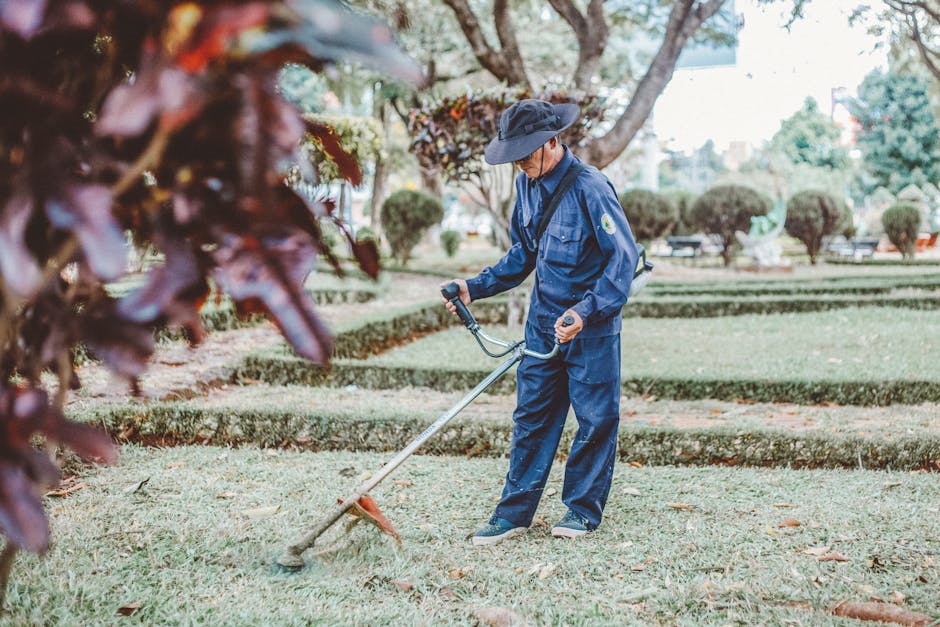
Common problems with access at NW10 garden maintenance jobs
If you have ever tried to get a garden tidy-up done in a tight London property, you will know the awkward bit is often not the grass, the hedge, or the weeds. It is the access. In NW10, where homes, side passages, shared entrances, rear alleys, and compact outdoor spaces can vary hugely from one street to the next, common problems with access at NW10 garden maintenance jobs can affect timing, cost, safety, and even what work can realistically be completed in one visit.
That is the practical truth of it. A garden can look straightforward from the back gate and still turn into a puzzle once tools, waste, ladders, wheelbarrows, or bulky cuttings need to be moved through narrow routes. This article breaks down the most frequent access issues, why they matter, how professionals usually handle them, and what you can do before the job starts so the day runs smoothly. If you are planning broader upkeep, it may also help to look at garden maintenance and related services such as garden clearance when access is especially tight.
Table of Contents
- Why Common problems with access at NW10 garden maintenance jobs Matters
- How Common problems with access at NW10 garden maintenance jobs Works
- Key Benefits and Practical Advantages
- Who This Is For and When It Makes Sense
- Step-by-Step Guidance
- Expert Tips for Better Results
- Common Mistakes to Avoid
- Tools, Resources and Recommendations
- Law, Compliance, Standards, or Best Practice
- Options, Methods, or Comparison Table
- Case Study or Real-World Example
- Practical Checklist
- Conclusion
- Frequently Asked Questions
Why Common problems with access at NW10 garden maintenance jobs Matters
Access problems are not a minor inconvenience. They can shape the whole job. If a gardener cannot bring equipment in safely, cannot move cuttings out efficiently, or has to work around locked gates and shared pathways, the visit may take longer or need a different approach altogether. In some cases, a job that looked like a quick morning tidy-up becomes a two-visit task. To be fair, that is usually nobody's fault. It is just the reality of working in built-up parts of London.
NW10 has a mix of property types, from terraced homes with narrow rear access to larger plots with long side passages, old timber gates, uneven paving, and communal entry points. Each of these brings its own friction. A wheelbarrow may not fit. A mower may need to be carried through the house. Hedge trimmings might have to be bagged smaller than usual. Even a small change, like a gate that opens inward into a tight path, can slow everything down.
Why does this matter so much? Because garden work is physical, time-sensitive, and safety-led. A gardener trying to squeeze past bins, bikes, garden furniture, or a low archway is not just dealing with inconvenience; they are also managing risk. If access is poor, the safest solution may be to bring different tools, adjust the order of tasks, or split the work into stages. That affects planning, and planning affects value.
If you are arranging work in advance, it is worth checking the provider's health and safety approach and insurance and safety information. Those pages help set expectations about safe working practices, which becomes especially relevant when access is fiddly or limited.
How Common problems with access at NW10 garden maintenance jobs Works
Access issues usually show up in one of three ways: getting into the garden, moving around inside it, or getting waste and equipment back out again. That sounds simple, but in real life it can become a chain reaction. One blocked side passage may mean the team has to carry tools through the property. One locked outbuilding may make it impossible to fetch the right pruning kit. One narrow alley can rule out larger machines.
Most garden maintenance teams will try to assess access before the visit, either from photos, a phone discussion, or a quick site look. That is not being fussy. It is just smart. A short note about a steep step, a weak fence panel, or a shared entry code can save a lot of back-and-forth later. And yes, the small details matter more than people expect. A 60 cm gap is not the same as a 90 cm gap once a bag of hedge clippings is in your hands.
Common access constraints in NW10 include:
- narrow side passages or awkward gate widths
- stepped routes with no level access
- shared entrances that need neighbour cooperation
- locked gates, sheds, or communal yard doors
- vehicles unable to park close to the garden
- heavy, bulky, or wet waste that is hard to move
- poor lighting in rear lanes or alleyways
- slippery paths, loose slabs, or muddy surfaces after rain
There is also a difference between access for people and access for machinery. A gardener might be able to walk through easily while a mower, shredder, or sack trolley cannot. That is often where the mismatch happens. The job is possible, but not in the same way you first imagined.
Key Benefits and Practical Advantages
Good access planning does not just make life easier for the gardener. It improves the whole outcome for you too. The biggest advantage is fewer surprises. When access is understood in advance, the team can bring the right tools, allow the right time, and avoid forcing equipment into spaces where it simply does not belong. That sounds obvious, but in practice it is one of the main reasons a job feels smooth rather than stressful.
There are a few clear benefits:
- Better time control: less waiting around for keys, codes, or neighbour access.
- Safer working: fewer trips, awkward lifts, and rushed manoeuvres.
- Cleaner finish: easier removal of clippings, soil, and general green waste.
- Less disruption: reduced need to go through the home repeatedly.
- More accurate quotes: the team can price the job more honestly when the access picture is clear.
There is a commercial angle too. If access is easy, routine jobs like lawn care or hedge trimming can often be completed in a more predictable way. If it is difficult, the team may need more labour, smaller equipment, or additional waste handling. That is why experienced providers usually ask a few plain questions before confirming a visit. If you are comparing options, pricing and quotes should reflect any access complications rather than hiding them until the day.
And if the project is broader than maintenance, you may also want to look at nearby services such as landscaping or landscape gardening, because access planning becomes even more important once materials, not just tools, are being moved around.
Who This Is For and When It Makes Sense
This topic matters for homeowners, landlords, letting agents, property managers, and anyone arranging garden work in NW10. It also matters if you are planning seasonal work after a long gap, because overgrown gardens often hide access problems until the team arrives and starts lifting things. Truth be told, many people only notice the issue when the gardener is already at the gate.
You will especially want to think about access if:
- your garden is behind a terrace or through a shared passage
- there is no direct vehicle access for waste removal
- the route includes steps, steep gradients, or uneven paving
- the garden is overgrown and needs clearance before maintenance
- you have fencing, decking, or hard landscaping that narrows entry points
- the job involves tree work, heavy pruning, or repeated waste movement
Some jobs are naturally more sensitive than others. For example, tree surgery and tree lopping and removal can involve larger branches, specialist equipment, and more debris than a basic mow. Likewise, patio cleaning may sound simple, but the machine access, water supply, and drainage route still need checking. Not glamorous, I know. Still necessary.
Step-by-Step Guidance
If you want to avoid access headaches, a little prep goes a long way. Here is a practical way to handle it.
- Walk the route from street to garden. Check every gate, side path, step, latch, lock, and tight corner. Ask yourself: can a person carry a bag of clippings through here without scraping walls or blocking the way?
- Measure the narrow bits. A rough width estimate is often enough to identify whether standard tools will fit. If you are unsure, take a photo with a tape measure in frame.
- List anything that obstructs movement. Bins, bikes, scooters, planters, children's toys, wheelie bins, composters, and furniture all matter. They can be moved, but only if someone knows in advance.
- Check where waste can leave the site. This is the part people forget. Getting in is one thing; getting out with sacks of cuttings is another.
- Tell the gardener about locked or shared access. If a neighbour must be contacted, say so early. If keys are needed, say where they are. No one enjoys arriving at a gate they cannot open. It is a tiny drama, but a drama all the same.
- Adjust the scope if needed. If access is limited, it may make sense to split a large job into smaller visits or prioritise the most urgent work first.
For larger jobs, a service such as garden clearance can be planned more effectively when access limitations are understood from the start. That way, waste handling, labour, and timing can be matched to reality rather than wishful thinking.
Expert Tips for Better Results
Here is the short version from a practical point of view: make the route simple, visible, and honest. If a person can reach the rear gate but only after navigating a row of bins and a stuck latch, say so. If the gardener has to go through the house, mention it. Nobody is offended by useful information.
Some helpful habits:
- Send a few clear photos before the visit. One shot of the gate, one of the route, and one of the garden itself is often enough.
- Leave access points unlocked if safe to do so. If not, make sure the unlocking process is straightforward and agreed in advance.
- Clear a temporary path. Even a narrow route becomes workable if loose items are moved aside for an hour.
- Warn about fragile surfaces. Old paving, loose gravel, soft turf, or freshly laid decking can change how equipment is carried.
- Match the job to the conditions. Smaller tools, manual cutting, or staged collection can be smarter than forcing a large machine into a tight spot.
If the garden includes structures that pinch the route, such as timber panels or narrow fencing gaps, you may also want to review fencing and decking services when planning future improvements. Sometimes a small design change solves the access problem for years. Not always, but often enough.
One small human note: people often apologise for having "a bit of a mess" in the back garden. Honestly, we have seen far worse. The useful bit is not perfect tidiness; it is knowing the route and being upfront about the obstacles.
Common Mistakes to Avoid
The most common mistake is assuming the gardener will "just manage." Sometimes they can. Sometimes they can't. And the difference usually comes down to time, safety, and what equipment is needed.
A few other errors crop up again and again:
- Not mentioning access at all during booking. This leads to awkward surprises on arrival.
- Leaving heavy items in the way. Old pots and garden furniture are easy to overlook until someone has to carry a hedge trimmer past them.
- Forgetting about waste exit routes. What comes out must go somewhere.
- Booking one-off heavy work without enough context. This matters for overgrown beds, mature hedges, or neglected gardens.
- Ignoring neighbour access issues. Shared gates and communal paths can become messy if no one has asked the right person.
- Assuming all tools are portable in the same way. A mower is not the same as a pair of shears. Obvious, but it gets missed.
Another subtle mistake is underestimating weather. A path that is fine on a dry afternoon can be slippery after rain, especially in the morning when shade keeps surfaces damp. That is one reason seasoned gardeners often build in a bit of flexibility. They have learned, usually the hard way, that the garden does not always cooperate.
Tools, Resources and Recommendations
You do not need specialist equipment to solve most access problems, but the right simple tools can make a big difference. A tape measure, phone camera, sturdy gloves, and a clear note of gate widths and routes are a good starting point. For the actual job, smaller hand tools, compact wheelbarrows, lightweight bags, and manual waste handling are often more effective than trying to drag larger equipment through a tight passage.
Useful practical resources include:
- a site plan or even a rough sketch of the property
- photos of gates, side passages, steps, and rear entries
- a written note of locks, keys, codes, or neighbour arrangements
- an agreed waste collection point if the rear garden cannot be reached directly
- clear booking notes describing any fragile areas or restricted routes
If you are comparing providers, it is sensible to check how they present their working standards and policies. The about us page can give a useful sense of how a business operates, while terms and conditions and payment and security help set expectations around the service relationship. That is not just admin. It helps reduce friction later.
And if sustainability matters to you, ask how green waste and recyclable materials are handled. The company's recycling and sustainability information can be relevant if access issues mean waste has to be bagged, sorted, or moved in stages.
Law, Compliance, Standards, or Best Practice
Access issues in garden maintenance are not usually about a single law or rule; they are mostly about safe working practice, reasonable planning, and clear communication. In the UK, anyone carrying out garden work professionally should operate in line with sensible health and safety expectations, and should be properly insured for the work they undertake. That is especially important when routes are narrow, surfaces are uneven, or waste needs to be carried through shared areas.
Best practice usually includes:
- risk assessing the access route before work begins
- avoiding unsafe lifting or dragging of equipment and waste
- keeping shared areas clear and minimising disruption to neighbours
- using appropriate PPE and manual handling methods
- stopping and reassessing if the route becomes unsafe
Where permissions or shared access are involved, it is wise to be careful rather than casual. If a gate, passage, or communal area is not clearly under your control, confirm who can authorise entry. That simple step can prevent a lot of unnecessary hassle. For service confidence, review the provider's accessibility statement and complaints procedure too. They are small signals, but useful ones.
One practical note: if the job includes work near structures, edging, or boundaries, a careful approach protects both the property and the people on site. No one wants a cracked slab, dented gate, or bruised shin because the path was treated like a racetrack. Let's not pretend that never happens.
Options, Methods, or Comparison Table
There is no single answer to access problems. The right method depends on the size of the garden, the type of work, and how restrictive the route is. Here is a simple comparison to help you think it through.
| Approach | Best for | Strengths | Limitations |
|---|---|---|---|
| Standard access with full equipment | Open routes, easy gates, direct entry | Fast, efficient, usually best value | Not suitable where paths are narrow or awkward |
| Manual carry-in, manual carry-out | Tight passages and shared entrances | Flexible, safer in restricted spaces | Slower, more labour-intensive |
| Smaller tools and split loads | Medium-access gardens with limited widths | Reduces damage risk and improves manoeuvrability | May take longer than using larger kit |
| Staged work over multiple visits | Overgrown or clearance-heavy jobs | Useful when waste volume is high | Less convenient and may extend the project |
If you are unsure which approach fits your garden, the safest move is to describe the access clearly and ask how the job would be handled. A good provider will usually explain the trade-off in plain English. That clarity is worth a lot.
Case Study or Real-World Example
Here is a typical scenario from a NW10-style property. A rear garden looked small, manageable, and in need of routine maintenance: lawn cut, hedge trim, borders tidied, and waste removed. On arrival, the front path was fine, but the side access was narrower than expected, the gate latch was stiff, and a row of bins blocked the turn into the rear yard.
The result? The job was still completed, but not in the way the first quote had assumed. The team switched to smaller tools, bagged clippings more carefully, moved items out of the route before starting, and handled waste in lighter loads. The work took longer than a normal access setup would allow. Nothing dramatic. Just a lot of little adjustments.
That is the real lesson. Access problems rarely make a job impossible. They usually make it more about planning than cutting. Once the route was cleared and the gate issue was understood, the remaining work flowed much better. A little patience up front saved a lot of annoyance later.
If the garden had also needed more substantial tidying, the job could have been combined with lawn care or lawn mowing after the access route was checked. Sometimes a modest amount of pre-work sets up the whole season.
Practical Checklist
Use this checklist before booking or before the team arrives.
- Have I checked the full route from street to garden?
- Do I know the narrowest point, even roughly?
- Are gates, latches, or codes ready and working?
- Have I told the gardener about shared access or neighbour permissions?
- Have I moved bins, bikes, furniture, and other obstacles?
- Is there a safe place for waste to be stacked or loaded out?
- Do any steps, slopes, or wet surfaces need warning about?
- Have I shared photos if the access is unusual?
- Does the job need smaller tools or more than one visit?
- Am I clear on what parts of the garden are reachable and what parts are not?
If you can answer most of those questions confidently, you are already ahead of the game. And if you cannot, that is fine too. It just means the booking conversation needs a bit more detail.
Conclusion
The common problems with access at NW10 garden maintenance jobs are usually not dramatic, but they are often decisive. Narrow gates, shared passages, poor lighting, awkward waste routes, and cluttered side access can slow a job down or change how it needs to be done. The good news is that most of these issues can be managed with a little forward thinking, clear communication, and realistic planning.
In other words, access is not a side issue. It is part of the job. Once you treat it that way, everything gets easier: the quote is clearer, the work is safer, and the result is cleaner. That is a pretty good deal for something as ordinary as a garden gate.
For straightforward advice, sensible planning, and a better sense of what your property needs, explore the wider gardening services and get the access details sorted before the first tool comes out. A bit of clarity now tends to save a lot of bother later.
Get a free quote today and see how much you can save.
Frequently Asked Questions
What are the most common access problems on NW10 garden maintenance jobs?
The most common issues are narrow side passages, locked gates, shared entrances, awkward steps, blocked routes, and no easy place to remove waste. In practice, the access route matters as much as the garden itself.
Can a gardener still work if the only access is through the house?
Often yes, but it depends on the type of work, the amount of waste, and whether the route can be kept clean and safe. It is best to mention this before the visit so the gardener can plan properly.
Will difficult access make garden maintenance more expensive?
It can, because extra labour, smaller tools, or more time may be needed. Not every access issue changes the price, but it is very common for tight or complicated routes to affect the quote.
How should I prepare my garden for a maintenance visit with limited access?
Clear the route, unlock gates if possible, move bins and clutter aside, and send photos of the access points. A quick walk-through before the job can remove most surprises.
Do access problems affect lawn mowing as much as bigger jobs?
Yes, sometimes even more than people expect. Lawn mowing may seem simple, but if a mower cannot reach the grass safely, the job may need smaller tools or a different approach.
What if there is no parking near the property?
That is common in London and usually manageable, but it can affect timing and the amount of equipment that can be brought in at once. Let the provider know in advance so they can plan for carrying tools and waste further.
Is it worth sending photos before booking?
Absolutely. A few clear photos of the gate, route, and garden can save time and help the gardener judge whether the job needs a standard setup or a more manual approach.
Can access problems affect hedge trimming or tree work?
Very much so. Hedge trimming, tree surgery, and tree removal often involve longer tools, more cuttings, and more careful waste handling, so access becomes a major part of the planning.
What should I do if my neighbour controls part of the access route?
Get agreement early and make sure everyone knows what time the work will happen. Shared access can be fine, but only when it is properly coordinated. Otherwise the job can stall for no good reason.
How do professional gardeners usually handle tight access?
They often use smaller tools, manual carrying methods, split the work into stages, and adjust the order of tasks. It is less about brute force and more about doing the job sensibly.
Where can I check service details and policies before booking?
It is sensible to read the provider's about us, terms and conditions, and privacy policy. Those pages help you understand how the service is run and what to expect.
What if access changes on the day of the job?
Tell the team immediately and be ready to adjust the plan. A blocked gate, a moved vehicle, or unexpected rain can all change the safest method. Good communication usually solves more than people think.