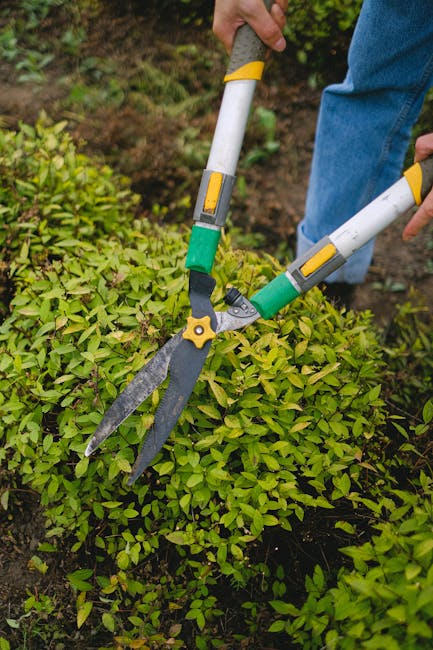
Gardeners near Wembley Stadium rated for fast hedge trimming

If your hedge is getting out of hand and you need it sorted without the usual faff, you are probably looking for gardeners near Wembley Stadium rated for fast hedge trimming. That search usually means one thing: you want a local team that turns up on time, works neatly, and gets the job done before the hedge starts swallowing paths, light, or your patience. Fair enough.
In a busy part of London, speed matters, but so does finish quality. A rushed cut can leave patchy growth, bruised stems, or a hedge that looks tidy for a week and then goes wild again. This guide breaks down how fast hedge trimming should work, what good service looks like, and how to choose gardeners who are actually worth booking. We will also look at timing, tools, best practice, and the small details that separate a neat trim from a messy chop.
Along the way, you will find practical advice for homeowners, landlords, managing agents, and anyone trying to keep a garden looking calm rather than chaotic. If you want a broader sense of how hedge work fits into ongoing care, it can help to explore garden maintenance as part of the bigger picture.
Why Gardeners near Wembley Stadium rated for fast hedge trimming Matters
Hedges do a lot of heavy lifting in a garden. They frame boundaries, soften fencing, block wind, and create privacy without making the space feel boxed in. But once a hedge starts running ahead of you, the whole garden can feel smaller, darker, and oddly more stressful. That is especially noticeable in built-up areas near Wembley Stadium, where outdoor space is often precious and every square metre matters.
Fast hedge trimming is not just about speed for speed's sake. It is about responding before growth becomes a problem. A hedge trimmed at the right moment is easier to shape, healthier in the long run, and usually cheaper to maintain than one left until it needs serious recovery work. You will also notice the difference in day-to-day living: better light, cleaner access, fewer complaints from neighbours, and less risk of branches scraping windows or paths.
There is another point people sometimes miss. A quick visit from a skilled gardener can prevent a small job becoming a chain of jobs. Overgrown hedges often hide ivy, deadwood, nesting debris, or awkward boundary issues. Once those are exposed, you can deal with them sensibly rather than discovering them in the middle of a panic trim. If ivy is already creeping in, it may be worth reading about permanent ivy control before it becomes a recurring nuisance.
Key takeaway: fast hedge trimming is most valuable when it is still careful. Speed should reduce disruption, not reduce standards.
How Gardeners near Wembley Stadium rated for fast hedge trimming Works
A good hedge-trimming visit usually follows a simple but disciplined process. The best gardeners do not just arrive, cut, and leave. They assess the hedge first, decide how much should come off, check access, and choose the right cutting method for the hedge type. That bit matters more than people think.
For example, a formal box hedge needs a neat, controlled finish with straight lines and a lighter touch. A mixed boundary hedge may be better handled with selective reduction rather than an aggressive all-over cut. Laurel, privet, beech, yew, and conifer hedges all behave differently too. One-size-fits-all trimming is usually a bad sign, to be fair.
In a typical fast service, the workflow looks like this:
- initial assessment of hedge height, width, density, and access
- confirmation of the desired finish and any hard edges or shape lines
- preparation of surrounding areas to reduce mess and damage
- fast, controlled trimming using suitable tools
- clear-up of clippings and a final check for missed sections
The best-rated teams also think about the garden around the hedge. Are there flower beds underneath? Is the hedge bordering a seating area? Does the trim need to allow light through to a lawn or patio? These are the little bits that turn a decent job into a genuinely useful one. If your hedge is part of a wider property refresh, related tasks such as patio cleaning or lawn care can be scheduled around the trim so the whole garden feels sharper at once.
Key Benefits and Practical Advantages
There are several reasons people search specifically for fast hedge trimming rather than general gardening help. Some are obvious; others only become clear once the job has been handled properly a few times.
1. Better kerb appeal and a tidier boundary
First impressions count, especially if the hedge faces a road, shared path, or front garden. A straight, well-finished hedge makes the whole property look cared for, even if the rest of the garden is still a work in progress.
2. Less encroachment and fewer disputes
Overgrown hedges can creep into neighbouring space, block access, or create low-level friction. A regular trim helps keep things civil. And in London, that calm is worth preserving.
3. More light and usable space
Reducing hedge bulk can noticeably improve light in borders, seating areas, and even inside the house. The change is often immediate. You step outside and, suddenly, the garden feels a bit more open.
4. Healthier hedge growth
Done correctly, trimming encourages denser growth and keeps the hedge manageable. Done badly, it can leave bare patches, weak edges, or stubs that look ugly for months. That is why rated gardeners matter: the standard of the finish is part of the service.
5. Less time and stress for the property owner
Many people simply do not have the ladder, saws, or time to handle tall or awkward hedges safely. A quick professional visit removes the hassle, and honestly, that alone is often the biggest benefit.
For privacy-focused gardens, a fast trim is also a way of keeping screening intact without letting hedging become a wall. If that balance matters to you, this article on fast-growing hedges and privacy solutions is a useful companion read.
Who This Is For and When It Makes Sense
This kind of service is not only for people with large gardens. In fact, some of the most time-sensitive hedge work happens in quite modest spaces.
You may benefit from fast hedge trimming if you are:
- a homeowner wanting a smart finish before guests arrive
- a landlord keeping a front or back boundary presentable between tenancies
- a managing agent responsible for shared outdoor areas
- a business owner with planted frontage that needs regular neatness
- someone whose hedge has suddenly grown after a spell of rain and mild weather
- a family trying to make a small garden safer and easier to use
It also makes sense when a hedge is affecting other garden features. A hedge can shade a seating corner, interfere with a pathway, or create wind tunnels if it grows unevenly. If that sounds familiar, you might also find creating enviable garden seating corners for relaxation helpful when planning how the whole space should feel after the trim.
Not every hedge needs urgent attention, though. If the growth is healthy and the shape still works, you may be better off booking a planned maintenance visit rather than a same-week rescue job. That decision often saves money, which is not a glamorous point, but a practical one.
Step-by-Step Guidance
If you are comparing gardeners or preparing for a visit, this is the simple process worth following.
- Inspect the hedge from all sides. Look for height, width, leaning sections, gaps, dead growth, and anything blocking access.
- Decide what the hedge should do. Privacy? Boundary definition? Formal appearance? Wind protection? The purpose of the hedge shapes the cut.
- Check timing. Some hedges are better trimmed lightly at certain times of year rather than heavily cut in one go. A light shaping now may be wiser than a full reduction.
- Ask for a clear method. A good gardener should explain whether they will shape, reduce, or rejuvenate the hedge, and why.
- Prepare the area. Move pots, garden furniture, toys, or fragile items away from the work zone. It sounds basic, but it saves a lot of awkwardness.
- Confirm waste removal. Clippings can create a surprising amount of mess, especially with dense hedges. Make sure clear-up is part of the plan.
- Review the result. Walk the boundary once the job is done. Check the line, the height, and whether the finish matches what you asked for.
One useful habit is to photograph the hedge before trimming. Not for drama. Just for reference. It helps you compare whether the work achieved the intended shape and can be handy if you want the same result next time. Tiny thing, but it works.
Expert Tips for Better Results
A few small choices can improve both the speed and quality of hedge work. These are the things experienced gardeners tend to notice straight away.
Trim for the hedge's natural habit. If the plant wants to grow upright, do not fight it into a boxy shape unless that is genuinely the design goal. Forcing the wrong profile means more correction later.
Keep the base slightly wider than the top. This simple shaping trick helps lower leaves receive light, which reduces die-back and keeps the hedge fuller from top to bottom.
Book before the hedge becomes a problem. Fast hedge trimming is easiest when the hedge is still manageable. Once it is heavy and tangled, everything takes longer and the cut can be less elegant.
Match the service to the season. A quick tidy after a flush of growth is not the same as a hard reduction. If the hedge has just burst into life after a mild spring, a careful shape-up often makes more sense than a heavy cut.
Use a gardener who thinks beyond one task. The best people spot related issues: weeds around the base, ivy pressure, poor drainage, or a hedge that is leaning because the soil is dry or compacted. That broader view saves repeat visits later.
And here is a small human truth: a hedge that looks "fine from the road" can still be annoying every single day you live with it. The branch that taps the window at 6 a.m. is somehow never the one the neighbours notice. Funny, that.
Common Mistakes to Avoid
Fast hedge trimming can go wrong in predictable ways. Knowing the traps helps you avoid paying twice.
- Choosing speed over skill. Quick does not automatically mean efficient. Sometimes it just means rushed.
- Cutting at the wrong time. Some hedges tolerate heavy pruning better than others. A poor timing decision can lead to stress or sparse regrowth.
- Removing too much at once. Over-reduction can leave ugly gaps and weaken the hedge structure.
- Ignoring the hedge base. If the bottom is shaded out, the hedge may thin from the ground up.
- Leaving clippings behind. Loose trimmings can smother plants, stain paving, or blow into drains.
- Not agreeing the finish in advance. "Just tidy it up" can mean very different things to different people.
If your hedge is tangled with climbing growth or long-neglected stems, it may need more than a simple clip. In those cases, a gardener might recommend a wider tidy-up or a phased approach rather than trying to solve everything in one afternoon. That is usually the sensible choice.
Tools, Resources and Recommendations
Good hedge trimming depends on using the right tools for the hedge type and the size of the job. The exact kit may vary, but the basics are fairly consistent.
Common tools include:
- hedge trimmers for regular shaping
- secateurs for precise detail work
- loppers for thicker stems
- long-reach tools for taller hedges
- collection bags or tarps for easier clear-up
- gloves, eye protection, and stable footwear
If you are interested in the practical side of garden work, this overview of essential gardening tools is a nice companion piece. It is not just for enthusiasts either; good tools often mean a cleaner finish and less wasted time.
For gardens where the hedge sits alongside beds or mixed planting, a broader maintenance plan can help. You may also want to keep an eye on weed control, seasonal protection, and low-maintenance planting around the boundary. A few relevant reads include keeping a weed-free landscape, preparing for weather extremes, and low-cost, low-maintenance garden solutions.
Law, Compliance, Standards, or Best Practice
For hedge trimming, the most useful compliance point is simple: work should be carried out safely, with care for people, property, and neighbouring boundaries. In the UK, gardeners are expected to follow sensible health and safety practice, especially when using powered tools, working at height, or dealing with busy access points.
Best practice normally includes:
- clear agreement on the scope of work
- safe use of ladders and cutting equipment
- protection of nearby surfaces, plants, and structures
- appropriate disposal or management of green waste
- attention to boundary lines and shared access
If the hedge borders a public pavement, alley, or shared route, it is wise to keep the line tidy so it does not obstruct movement or visibility. If the work is near decking, fencing, or trees, the gardener should adapt the approach rather than forcing the same method everywhere. That is just good practice, really.
For extra reassurance, some customers like to check the company's approach to safety and service standards before booking. Pages such as health and safety policy, insurance and safety, terms and conditions, and payment and security can help build confidence before the first visit.
Options, Methods, or Comparison Table
Not every hedge needs the same kind of attention. Here is a simple comparison that may help you decide what to ask for.
| Method | Best for | What it achieves | Typical downside |
|---|---|---|---|
| Light trim | Regular maintenance and formal hedges | Clean shape, quick tidy, minimal stress on growth | Won't solve heavy overgrowth |
| Shaping | Hedges that are healthy but uneven | Improves symmetry and sightlines | May need follow-up later in the season |
| Reduction | Hedges that have outgrown the space | Brings size back under control | More labour and greater chance of visible cuts |
| Rejuvenation | Old, neglected, or very dense hedges | Restores structure over time | Often needs staged work rather than one visit |
As a rule, the more severe the overgrowth, the more important it is to pace the work carefully. A hedge that has been left to run for years usually needs a plan, not a heroic one-off hack. Heroes are great in films. Less so with secateurs.
Case Study or Real-World Example
Picture a small front garden near Wembley Stadium with a mixed hedge that has started leaning over the path. The owner wants it sorted quickly because the hedge blocks the step light and makes the entrance feel cramped. There is also a delivery point beside the path, so access needs to stay clear.
Rather than treating it as a simple cut-and-go job, a good gardener would first assess where the hedge is thickest, where it is thinning, and whether the base needs more light. The front is then shaped to a consistent line, the path edge is cleared, and the height is reduced only as much as the hedge can comfortably take. After that, the clippings are removed, and the owner can use the entrance properly again without brushing past leaves every time they come home.
The best part? The result usually looks calm, not brutal. The hedge still does its job, but the space feels breathable again. That is the real win. Not a "perfect" hedge in the abstract, but one that works for the house, the light, and the people using it every day.
Practical Checklist
Use this quick checklist before booking or confirming your hedge trimming visit.
- Is the hedge affecting light, access, or privacy?
- Do you want a light trim, a shape-up, or a reduction?
- Are there plants, paving, or furniture that need protecting?
- Is the hedge part of a wider maintenance issue?
- Have you checked whether the work needs to be phased?
- Have you agreed waste removal and tidy-up?
- Do you know when the next trim should happen?
- Are safety and insurance details clear?
- Will the finish suit the hedge's natural growth habit?
- Have you made the boundary line and access points easy to see?
That last one saves time more often than people expect. A clear work area means a smoother job, fewer interruptions, and a better finish. Simple, but effective.
Conclusion
Finding gardeners near Wembley Stadium rated for fast hedge trimming is really about finding the right balance: speed, accuracy, neatness, and trust. The best service does not just make the hedge smaller. It makes the garden easier to live with. It opens up light, improves boundaries, and removes that nagging sense that one more weekend should really have been spent wrestling with branches.
If you take one thing from this guide, let it be this: quick hedge trimming should feel organised, not rushed. Ask clear questions, choose a team that understands hedge types and timing, and make sure the job is part of a wider plan for the garden rather than a one-off scramble. That approach usually pays off in appearance and in peace of mind.
Get a free quote today and see how much you can save.
If you are ready to talk through hedge trimming, garden upkeep, or a broader refresh, start by getting in touch and asking for a practical recommendation that suits your space. A good garden is never just about plants. It is about how the place feels when you step outside.
Frequently Asked Questions
How fast can hedge trimming usually be completed?
It depends on hedge height, density, access, and how much shaping is needed. A straightforward hedge can be handled fairly quickly, while a tall or neglected hedge naturally takes longer. The best approach is to ask for a clear assessment before the visit.
What makes a hedge trimming service "rated" or well regarded?
People usually value punctuality, neat finishing, safe working methods, clear communication, and proper tidy-up. A good rating often reflects consistency rather than flashy promises.
Is fast hedge trimming suitable for large or overgrown hedges?
Yes, but the work may need to be staged. Very dense or neglected hedges are often better reduced gradually so the plant stays healthy and the finish looks balanced.
Do I need to be home during the hedge trimming visit?
Not always, but it helps if access, boundaries, and the desired finish are agreed beforehand. If you are not available, make sure instructions are clear and the work area is prepared.
Will hedge trimming damage the hedge?
Done properly, no. A careful trim should support healthy growth and maintain shape. Damage is more likely when too much is removed at once or when the wrong method is used for the hedge type.
How often should hedges near Wembley Stadium be trimmed?
That depends on the species and the look you want. Fast-growing hedges may need more regular attention, while slower-growing hedges may only need a few trims a year. The key is staying ahead of overgrowth.
Can hedge trimming improve privacy without cutting too much away?
Yes. A good gardener can thin, shape, or reduce selected sections while keeping the hedge dense enough to screen views. The trick is trimming with a privacy goal in mind, not just cutting evenly everywhere.
What should I ask before booking a hedge trim?
Ask what kind of trim is recommended, how long it is likely to take, whether waste removal is included, and how the gardener handles safety and access. Those questions tell you a lot, quickly.
What happens if my hedge is mixed with ivy or weeds?
The hedge may need a slightly broader tidy-up. It is often sensible to deal with ivy pressure or base weeds at the same time, otherwise the hedge can become messy again very quickly.
Can hedge trimming be combined with other garden jobs?
Absolutely. Many people combine it with lawn care, maintenance, or boundary work so the whole garden feels more finished in one visit. That is often the most efficient route.
How do I know if I need hedge reduction rather than a trim?
If the hedge is blocking light, overhanging too far, or becoming difficult to manage safely, reduction may be the better option. A trim is for tidying; a reduction is for bringing size back under control.
Where can I learn more about related garden services?
You can explore pages on hedge trimming, gardening services, and about us to get a fuller sense of the support available. If you have a specific question, the most direct next step is always to ask for advice based on your hedge, not someone else's.