Stonebridge Estate Seasonal Pruning Tips for NW10 Gardeners
If you garden in NW10, pruning is never just a tidy-up job. Between London's stop-start weather, sheltered corners, windy gaps, and the mix of mature shrubs, hedges, climbers, and small trees common around Stonebridge Estate, the timing matters as much as the cut itself. The right seasonal pruning keeps plants healthy, shapes growth before it becomes awkward, and prevents that all-too-familiar late-summer jungle look. This guide on Stonebridge Estate seasonal pruning tips for NW10 gardeners breaks the job into clear, practical steps so you can prune with more confidence and less guesswork.
Truth be told, most pruning mistakes are not dramatic. They are small: cutting at the wrong time, taking too much off, or missing a branch that later becomes a problem. The good news? Once you understand the seasonal rhythm, it gets much easier. And yes, your garden will look better for it.
Why Stonebridge Estate seasonal pruning tips for NW10 gardeners Matters
Seasonal pruning is about working with the plant's growth cycle, not fighting it. In a busy part of London like NW10, gardens often have limited space, neighbouring boundaries close by, and a lot of competition for light. One shrub left unpruned can block a path, shade out a border, or lean into a neighbour's fence before you know it. That is where a seasonal approach pays off.
Stonebridge Estate gardens can also face microclimate quirks. A front garden may be exposed to traffic dust and wind, while a back garden might be sheltered, damp, and slow to dry after rain. Those differences change how quickly wounds heal and how vigorously plants regrow. If you prune everything on the same date every year, you can easily miss what each plant actually needs.
There is another reason this matters: healthy pruning reduces future work. A small, well-timed cut in spring can save you from a much bigger, messy job in autumn. Let's face it, nobody enjoys dragging out tangled stems and woody offcuts when the weather has already turned and the wheelie bin is full.
Expert summary: Seasonal pruning is not about making plants shorter for the sake of it. It is about removing damaged, crowded, dead, or poorly placed growth at the right time so the plant can recover cleanly and grow in a controlled, healthy way.
How Stonebridge Estate seasonal pruning tips for NW10 gardeners Works
Think of pruning as a conversation with the plant. Different seasons tell you different things. In winter, deciduous plants are dormant, so their structure is easier to see. In spring, many shrubs and climbers begin active growth, so the timing of a cut can influence flowering and shape. In summer, you can often do lighter trims to keep growth balanced. In autumn, the main aim is usually tidying, reducing storm damage risk, and avoiding cuts that will not heal well before cold weather sets in.
For NW10 gardeners, the practical side is just as important as the horticultural one. Are you pruning for shape, size, flowering, safety, privacy, or plant health? The answer changes the method. A hedge that needs regular trimming is treated differently from a fruit tree, and a rose is not handled like an evergreen shrub. That sounds obvious, but in real gardens it gets muddled fast.
A seasonal pruning plan usually follows four broad ideas:
- Winter structural pruning: remove dead, damaged, diseased, or crossing branches when the plant is dormant.
- Spring shaping: guide vigorous growth, but avoid cutting away next season's flower buds on spring-flowering plants.
- Summer maintenance: lightly trim hedges, climbers, and soft growth to maintain control.
- Autumn caution: keep cuts light and selective so fresh wounds are less exposed to cold, wet weather.
If you want to pair pruning with broader upkeep, it often makes sense to combine it with routine garden maintenance so the whole space stays on top of growth, not just the obvious plants.
Key Benefits and Practical Advantages
The biggest benefit is simple: pruned plants usually perform better. They flower more reliably, fruit more cleanly, and keep a shape that suits the space. But the advantages go beyond neatness.
- Better plant health: removing weak, dead, or rubbing growth improves airflow and lowers disease pressure.
- More daylight: opening up a plant lets light reach the interior, which is especially useful in narrow NW10 plots.
- Safer boundaries: fewer overhanging branches, less strain on fences, and better visibility near paths and driveways.
- Improved flowering: pruning at the right time can trigger stronger blooms on many shrubs and climbers.
- Less storm damage: a balanced canopy is less likely to snap in windy weather.
- More usable space: you gain back room around patios, seating areas, and entrances.
There is also a long-term value angle. A plant that is managed gradually is usually easier and cheaper to keep than one left to run wild and then hacked back all at once. If you have ever stood in front of an overgrown hedge thinking, "Well, that escalated," you will know exactly what I mean.
For privacy planting, thoughtful pruning can help maintain screening without letting the hedge become a monster. If that is part of your garden, you may also find the advice in fast-growing hedge privacy solutions helpful when planning shape and spacing.
Who This Is For and When It Makes Sense
This guide is for anyone managing a garden in or around Stonebridge Estate who wants a smarter seasonal routine. That might be a homeowner with a compact front garden, a landlord keeping boundaries tidy, or a family trying to stop shrubs from swallowing the seating area by August.
It makes sense if you are dealing with any of the following:
- hedges that keep pushing into paths or boundaries
- roses, climbers, and fruiting plants that need timed cuts
- shrubs that look leggy or bare at the base
- trees with low branches near roofs, sheds, or driveways
- plants damaged by wind, frost, or heavy rain
- a garden that feels harder to keep tidy every season
If you have a few years' worth of growth to correct, it may be wiser to spread the work over multiple seasons rather than doing one dramatic cut. That is especially true for older gardens that need a gentler reset. In that case, a measured approach can be supported by ideas from old-garden makeover steps.
Not every plant benefits from the same rhythm, and not every garden needs the same intensity. Some only need a seasonal tidy. Others need a proper structure plan. No drama-just honest assessment.
Step-by-Step Guidance
Here is a practical way to approach seasonal pruning without overcomplicating it.
1. Walk the garden first
Before you cut anything, look at the whole plant in context. Ask yourself where it is growing, what it touches, and what it shades. A branch that looks awkward from one angle may be serving a useful purpose elsewhere. Check for dead wood, crossing stems, diseased growth, and any branches rubbing on walls or other stems.
2. Identify the plant type
This matters more than most people think. Spring-flowering shrubs, summer-flowering shrubs, roses, hedges, climbers, deciduous trees, and evergreens each have different pruning windows. If you prune a spring-flowering shrub too late, you can remove the buds already formed for next year. That's a painful mistake because you do not see the problem immediately, only later when the flowers fail to show.
3. Match the season to the task
Late winter: ideal for structural work on many deciduous shrubs and trees, while the framework is visible. Spring: suitable for light shaping after frost risk has eased, especially on vigorous growth. Summer: useful for trimming hedges, controlling climbers, and deadheading where appropriate. Autumn: best for light clean-up and removing broken or diseased material, not hard renovation.
4. Make clean, sensible cuts
Cut just above a healthy bud or side shoot where possible. Avoid leaving long stubs, which die back and look untidy. If you are removing an entire stem, take it back to a natural junction rather than shearing blindly across the top. Clean cuts heal better. Simple, really.
5. Step back often
Pruning goes wrong when you get tunnel vision. Make a few cuts, then pause and look again. In smaller NW10 gardens, a tiny amount removed can change the entire shape of a border or hedge. It is very easy to take too much off when you are standing close to the plant with secateurs in hand.
6. Clear waste properly
Collect prunings as you go. Diseased material should not be left lying around, and thorny clippings can become a nuisance fast. If the cuttings are healthy, they may be suitable for composting or green waste disposal, depending on what has been removed. For more on turning garden waste into something useful, see waste-to-fertility garden transformation.
7. Water and monitor afterward
After pruning, check how the plant responds over the next couple of weeks. A well-cut plant often looks sharper quickly, but stress can show later through wilted tips, browning edges, or patchy regrowth. Water lightly if the weather is dry, and avoid extra feeding unless the plant truly needs it.
Expert Tips for Better Results
Here are the things that separate a decent prune from a proper one.
- Prune with the weather in mind: avoid working in heavy rain, frozen conditions, or strong gusts. Wet tools slip, branches bend unpredictably, and cuts are messier.
- Use thinning cuts for crowded shrubs: taking out a few stems at the base often works better than shaving the outside into a hard shape.
- Keep hedge lines slightly wider at the bottom: this helps lower growth receive light, preventing the dreaded bare lower section.
- Do a little and often for vigorous plants: especially in summer, small follow-up trims are less stressful than one brutal chop.
- Protect wildlife where needed: check for nesting birds before pruning shrubs and hedges, particularly in the main bird-breeding season.
- Make room for the plant's future shape: do not prune only for where it is now; think about where next season's growth will go.
One practical trick we often suggest is to photograph the plant before and after. It sounds a bit fussy, maybe, but it helps you spot whether you are cutting asymmetrically or improving the structure. Also, if you are the sort of person who forgets which shrub was which by next month, the photo saves a lot of head-scratching.
If you are pruning around a seating area or patio, it can be worth checking the nearby hard landscaping too. A tidy border looks much sharper when the paving and deck are clean as well, which is why some people schedule pruning alongside patio cleaning or even decking services as part of one seasonal refresh.
Common Mistakes to Avoid
Most pruning errors come from enthusiasm, not laziness. That is reassuring in a way. You care enough to get stuck in, and then the plant pays the price. Here are the big ones to avoid.
- Cutting at the wrong season: especially on spring-flowering shrubs and trees that set buds the previous year.
- Shearing everything into a box: neat on day one, but often bad for airflow and long-term shape.
- Removing too much at once: a hard reduction can shock some plants and trigger weak, frantic regrowth.
- Leaving stubs or torn bark: these slow healing and invite disease.
- Using blunt tools: ragged cuts are harder for the plant to close over.
- Ignoring the plant's natural habit: not every shrub wants to be a ball, and not every climber wants to be forced flat.
Another common issue in NW10 gardens is forgetting about the surroundings. A branch may be technically "fine" until it starts rubbing a neighbour's fence, blocking light from a border, or creating a damp pocket against a wall. Small spaces magnify small mistakes. That is just the truth of it.
Tools, Resources and Recommendations
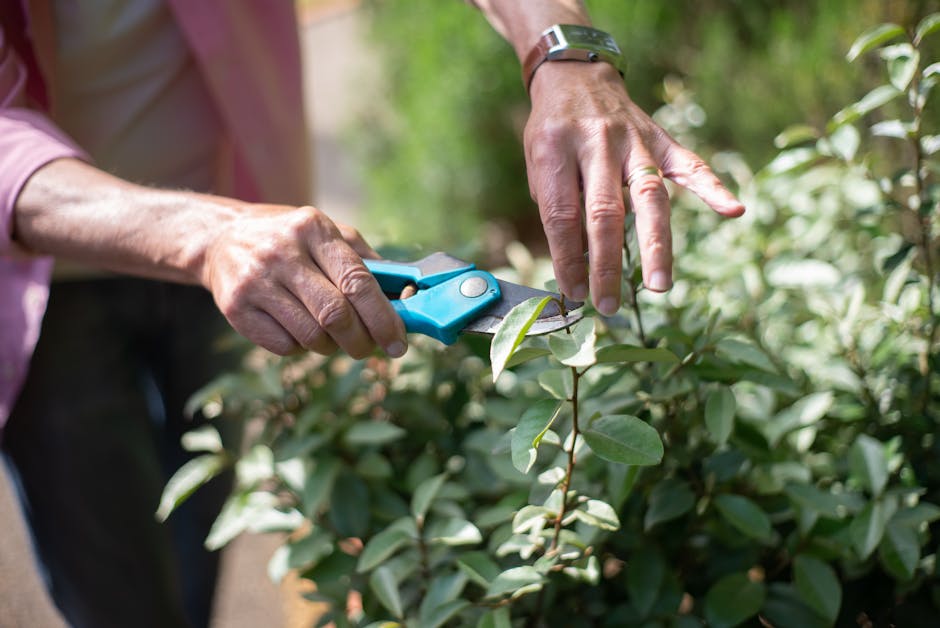
You do not need a van full of equipment to prune well, but the right tools make the job safer, faster, and cleaner. A dull, cheap pair of secateurs can turn a ten-minute tidy into a frustrating slog.
- Bypass secateurs: for live stems and precise cuts on small growth.
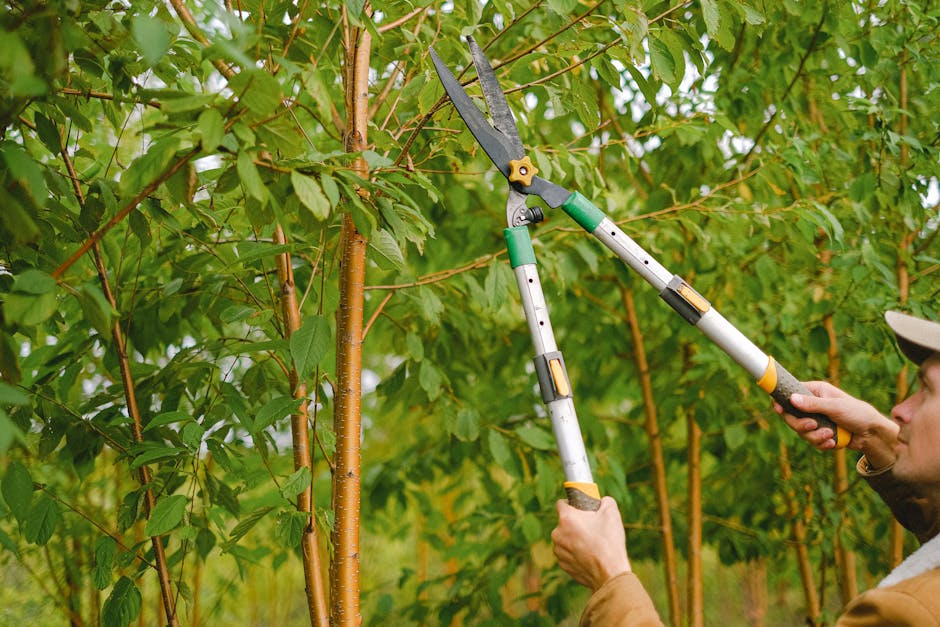
- Loppers: for thicker stems that are too big for secateurs.
- Pruning saw: for woody branches and anything too tough for loppers.
- Sturdy gloves: especially for roses, thorny climbers, and prickly shrubs.
- Cleaning cloth or disinfecting wipe: useful for keeping blades free of sap and disease transfer.
- Step ladder or platform: only if needed and only when stable and safe.
If you want a broader seasonal toolkit, the article on essential gardening tools is a good companion read. It covers the basics that make regular maintenance feel less like a battle.
Two other resources can help with planning. For general upkeep, a structured garden maintenance schedule keeps pruning from becoming an emergency. And if the garden has more complex growth-trees, tall hedges, or difficult access-it may be worth looking at tree surgery or hedge trimming in Brent Park for tasks that go beyond light domestic pruning.
Law, Compliance, Standards, or Best Practice
Pruning in a private garden is usually straightforward, but there are still best-practice considerations that matter in London. First, be careful around bird nesting season. If there is any sign of nesting activity in a hedge, shrub, or climber, pause the work until the situation is clear. That is both ethical and sensible.
Second, if a tree is protected or sits close to shared boundaries, do not guess. Tree work can involve ownership questions, neighbour discussions, and, in some cases, formal permissions. Even when no formal permission is needed, good practice means checking before removing major limbs. A careful approach avoids awkward conversations later.
Third, safety should not be treated as an afterthought. Tools must be maintained, ladders used properly, and cut material handled with care. For practical risk planning, it is worth reviewing health and safety guidance and insurance and safety information before undertaking larger pruning jobs. If there is a dispute or service issue, having a clear understanding of terms and conditions and the complaints procedure is also useful.
Best practice, in plain English, means this: prune only what the plant can reasonably recover from, work at the right time, and leave the garden safer and healthier than you found it.
Options, Methods, or Comparison Table
Not all pruning methods suit all situations. Here is a simple comparison to help you choose the right approach for a typical Stonebridge Estate garden.
| Method | Best for | Main advantage | Main risk |
|---|---|---|---|
| Light seasonal trim | Hedges, soft shrubs, climbers | Quick control with low stress | Can be too timid if plants are already very overgrown |
| Structural pruning | Deciduous shrubs and young trees | Improves shape and long-term framework | Wrong cuts can affect future form |
| Thinning cuts | Crowded, dense plants | Better airflow and light penetration | Over-thinning can leave the plant looking sparse |
| Reduction pruning | Plants that have outgrown their space | Useful for reclaiming room | Hard cuts can trigger stress or weak regrowth |
| Renovation pruning | Older, neglected shrubs | Can rescue tired plants over time | Needs patience and usually a staged plan |
For many gardens, the best answer is a mixed method. A hedge may need a summer trim, a shrub may need winter thinning, and a climber may need a small course correction in spring. That blend is often what makes a garden feel cared for rather than merely cut back.
Case Study or Real-World Example
A typical Stonebridge Estate front garden might have a mixed hedge, one mature shrub near the window, and a climber trying to take over the side fence. In late winter, the hedge is lightly thinned where it has become dense, the shrub is checked for dead and crossing stems, and the climber is left mostly alone because it is close to budding. By early summer, the hedge gets a tidy trim and the climber is guided rather than heavily cut. A few months later, the same garden looks calmer, brighter, and easier to walk through.
The important thing is not that every plant gets a dramatic intervention. It is that each one gets the right kind of attention at the right time. Small seasonal jobs. Consistent rhythm. Less panic in October.
We have seen plenty of gardens where a neighbour or owner has made one large cut after years of neglect, then spent the next season wondering why the plant is throwing out long, weak shoots. It is almost always better to spread the work out. The result looks more natural too, which, to be fair, is what most people really want.
Practical Checklist
Use this quick checklist before you start pruning in Stonebridge Estate.
- Identify the plant and confirm whether it flowers on old or new wood.
- Check the season and avoid pruning at the wrong time.
- Inspect for dead, diseased, damaged, or rubbing branches.
- Make sure tools are clean, sharp, and comfortable to use.
- Look for nesting birds or signs of wildlife activity.
- Plan your cuts before you start, especially on visible boundary plants.
- Step back regularly to keep the shape balanced.
- Dispose of waste safely or compost healthy material appropriately.
- Water lightly afterward if conditions are dry.
- Book professional help if the job involves height, difficult access, or large woody stems.
If you are thinking about a broader garden reset, it can also help to review gardening services, lawn care, or even landscaping if pruning is only one part of a bigger refresh.
Get a free quote today and see how much you can save.
Conclusion
Seasonal pruning is one of those garden tasks that rewards patience more than force. In Stonebridge Estate and across NW10, the best results usually come from small, well-timed cuts that respect the plant's natural cycle and the realities of local gardens: tight spaces, mixed planting, wind, shade, and the odd stubborn hedge that clearly thinks it owns the place.
If you keep the seasons in mind, use the right tools, and avoid the obvious mistakes, pruning becomes much less intimidating. More importantly, it becomes useful. Plants stay healthier, the garden feels calmer, and you spend less time fighting growth that got away from you. That is the sweet spot.
And when in doubt, go gently. The garden will tell you what it needs-sometimes not immediately, but it will.
Frequently Asked Questions
When is the best time to prune most shrubs in NW10?
For many deciduous shrubs, late winter is a good time because the structure is easy to see and the plant is still dormant. But flowering time matters too, so spring-flowering shrubs often need pruning after they bloom, not before.
Can I prune hedges in summer around Stonebridge Estate?
Yes, light summer trimming is often the best way to keep hedges neat and manageable. Just avoid heavy cuts during extreme heat or when birds may still be nesting in the hedge.
What should I prune first in a neglected garden?
Start with dead, damaged, or diseased growth, then deal with anything blocking paths, windows, or boundaries. After that, look at shape and balance. It is usually better to tackle the most urgent safety and health issues first.
How much can I safely remove at one time?
That depends on the plant. Some tolerate a stronger reduction, while others prefer a light touch. If you are unsure, take less rather than more and spread the work over two or three seasons.
Do pruning cuts need to be sealed?
Usually, no. Most standard pruning cuts do not need sealant in domestic gardens. Clean, correctly placed cuts are normally enough. Very large cuts or tree work may need a more considered approach, which is why larger jobs are best assessed properly.
Is pruning different for evergreen shrubs?
Yes. Evergreens often need lighter, more selective pruning than deciduous plants. Many respond best to modest shaping rather than hard cutting back, especially if you want them to keep density and colour.
What if I have a tree near a boundary or roofline?
Use extra care. Tree work near structures can involve safety and ownership issues, so it is wise to check the situation before cutting. If the job is beyond simple light pruning, professional assessment is a sensible move.
Can pruning help a small NW10 garden feel bigger?
Absolutely. Opening up sight lines, reducing overhang, and keeping planting in proportion can make a small garden feel brighter and more spacious. Sometimes it only takes one or two well-placed cuts to change the whole feel.
Should I prune before or after frost?
Light pruning is usually safer when the weather is milder and the risk of hard frost has passed. Tender cuts made just before a freeze can struggle to recover, so timing matters more than many gardeners expect.
How do I know if a plant needs pruning or replacement?
If a plant is healthy but just overgrown, pruning is usually the first step. If it is hollow, heavily diseased, badly positioned, or constantly failing after previous cuts, replacement may be the more practical option.
What is the biggest mistake local gardeners make with pruning?
Probably cutting at the wrong time, especially on flowering shrubs and climbers. The second biggest is removing too much in one go. Both are easy to do, which is why a seasonal plan helps so much.
Where can I get help with seasonal pruning and wider garden care?
If you want support with pruning, hedge work, or a broader maintenance plan, it helps to speak with a local team that understands NW10 gardens and their seasonal pressures. A proper plan saves time, and a lot of second-guessing too.